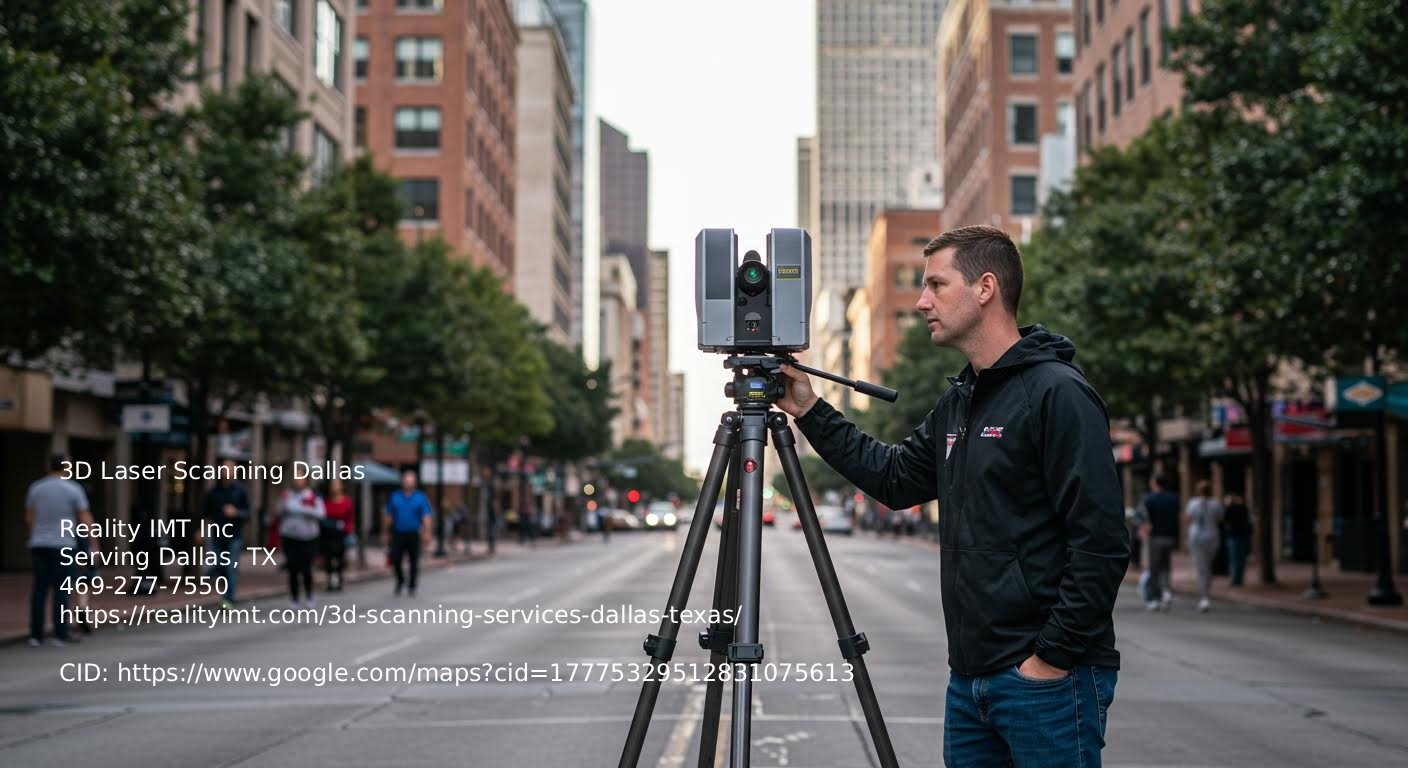
When you look at return on investment (ROI) in 3D laser scanning for schools, the question is simple: does the value outweigh the cost? That value includes more than money. It covers time, accuracy, and fewer risks—especially with large campuses, older buildings, or tight renovation schedules.
In Dallas, schools use 3D laser scanning to get exact measurements of existing buildings. The scans create point clouds and digital models that architects, engineers, and facility teams use for planning. ROI shows up in fewer mistakes, fewer change orders, and quicker decisions. If your project demands reliable as-built documentation 3D LiDAR scanning Dallas offers a smarter way to document existing conditions for architects, engineers, and contractors.. For schools working between semesters or over summer break, accuracy counts. A bad measurement or missing system detail can delay everything. That delay costs money and causes problems.
Let’s break it down. During design, scans cut down on site visits. During construction, they help trades work together and catch problems early. On renovation jobs, especially in older buildings with missing plans, scanning fills in the blanks. Without it, teams guess or take manual measurements, which often leads to surprises once work begins.
So, is it worth it? In most cases, yes—especially for complex renovations or active buildings where mistakes are costly. But teams need to use the scan data the right way. If they skip it or ignore the model, the benefits disappear.
3D laser scanning plays a key role in planning renovations or expansions for schools, universities, and other educational buildings. In Dallas, where many campuses are outdated or under construction, early access to accurate building data saves time and avoids rework. Scanners collect millions of data points in just a few hours, creating a full digital replica of the facility. That gives architects and engineers real-world conditions instead of outdated blueprints or hand-measured sketches.
This matters even more in older buildings where walls aren’t square, ceilings sag, or systems have been changed without updated records. Missing a pipe or misaligned beam can cause construction delays and extra costs. Laser scanning captures those issues before design begins. The scan data goes straight into BIM software, so the design team works with what’s actually there.
Let’s break it down. Project teams stay in sync. Structural, MEP, and architectural groups all use the same point cloud or 3D model. That cuts down on back-and-forth and catches problems early. It also helps district officials or funding partners see what’s changing.
Skipping scanning might look like a shortcut, but it often leads to change orders and delays. In fast-tracked school projects with tight summer timelines, scanning early can mean the difference between opening on time or scrambling mid-semester.
3D laser scanning often cuts costs in school renovation projects. In Dallas, where many schools update in phases, accurate as-built models reduce surprises during construction. That means fewer change orders, which can quickly raise expenses. With precise measurements from the start, teams avoid rework and wasted time. Subcontractors also plan better, which cuts down on miscommunication and material waste. Over time, these savings add up.
Rework drains budgets. Even small errors in floor plans can lead to major fixes—walls rebuilt, systems refitted, schedules delayed. 3D scanning gives teams accurate data, so they can design and build with confidence. This matters in older Dallas schools with missing or outdated records. Scanning helps teams avoid costly mistakes and keeps labor and time on track. It also reduces finger-pointing over field issues.
School renovations often run on tight schedules. Traditional surveys can take weeks, especially with multiple trades involved. A single 3D scan session can gather all needed data in a day or two. That means architects can start sooner, and permitting and procurement don’t wait. Projects move faster, which helps schools open on time.
Contractors with accurate 3D models spend less time checking site conditions. They trust the point cloud data instead of remeasuring. This speeds up framing, HVAC layout, conduit routing, and more. In Dallas, where labor is expensive and crews are limited, saving time matters. It also supports prefabrication, since teams know parts will fit. That cuts delays and keeps crews productive.
Renovation design needs precision. 3D scans show real conditions—ceiling heights, wall angles, and obstructions—so architects can plan with confidence. This helps with MEP coordination and reduces design changes. In Dallas schools, where buildings have grown over time, clear data avoids confusion. Fewer RFIs and faster approvals keep projects on budget and on schedule.
When measuring the return on 3D laser scanning in school projects, focus on clear results. Start with survey speed. Traditional methods can take days or weeks, especially on large campuses. Laser scanning captures millions of data points in hours. That means fewer site visits, quicker starts, and less time fixing incomplete measurements.
One more thing—disruption. Schools can’t shut down for long surveys. Laser scanning is quiet and quick. Crews often work after hours or during breaks. That keeps things running for students and staff, which matters to school leaders during big projects.
Accuracy matters too. Most scanners used in Dallas schools collect data with millimeter precision. That helps with older buildings that lack current drawings. Scans create reliable models for architects and engineers, reducing design mistakes and construction changes.
Next, look at space use. With a digital copy of the building, it’s easier to see how classrooms, labs, or mechanical rooms are used. Managers can spot underused areas or plan changes without guessing. That helps with better planning for remodels, expansions, or even furniture setups.
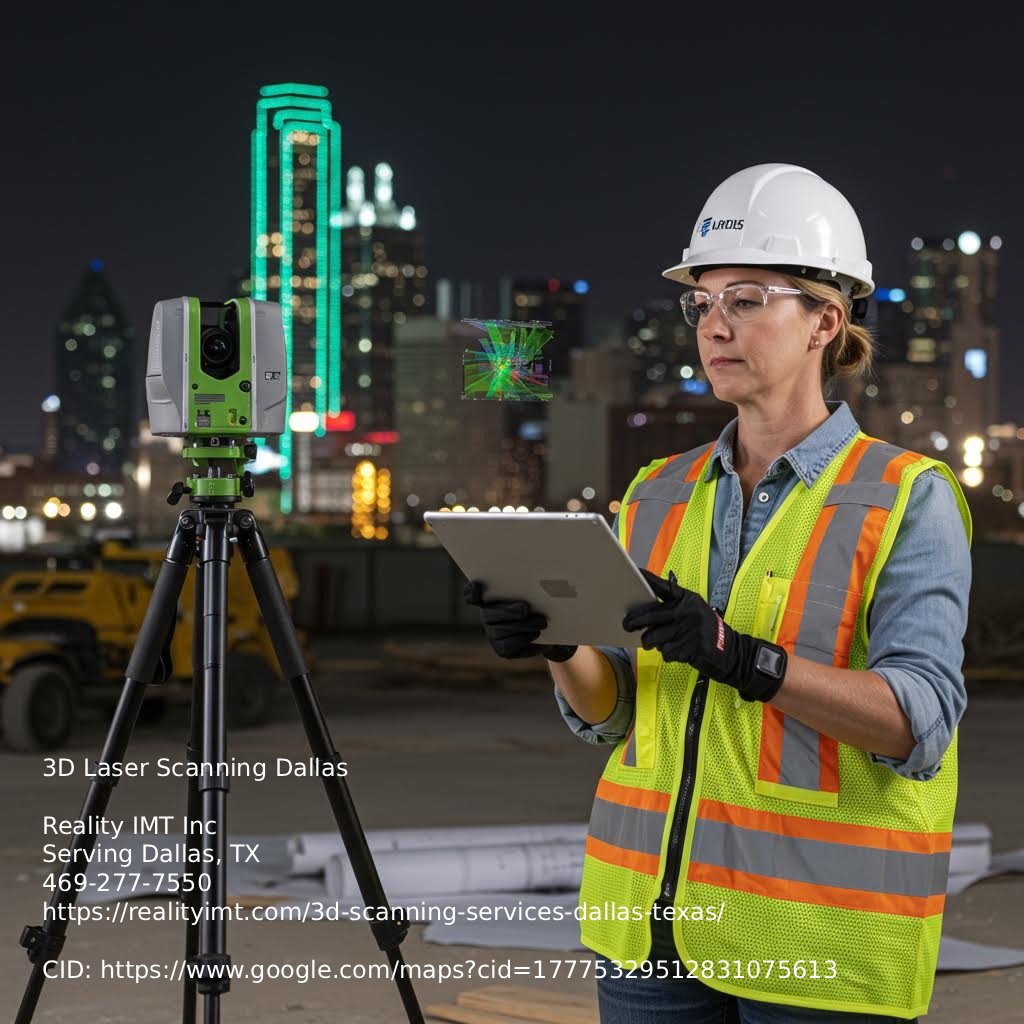
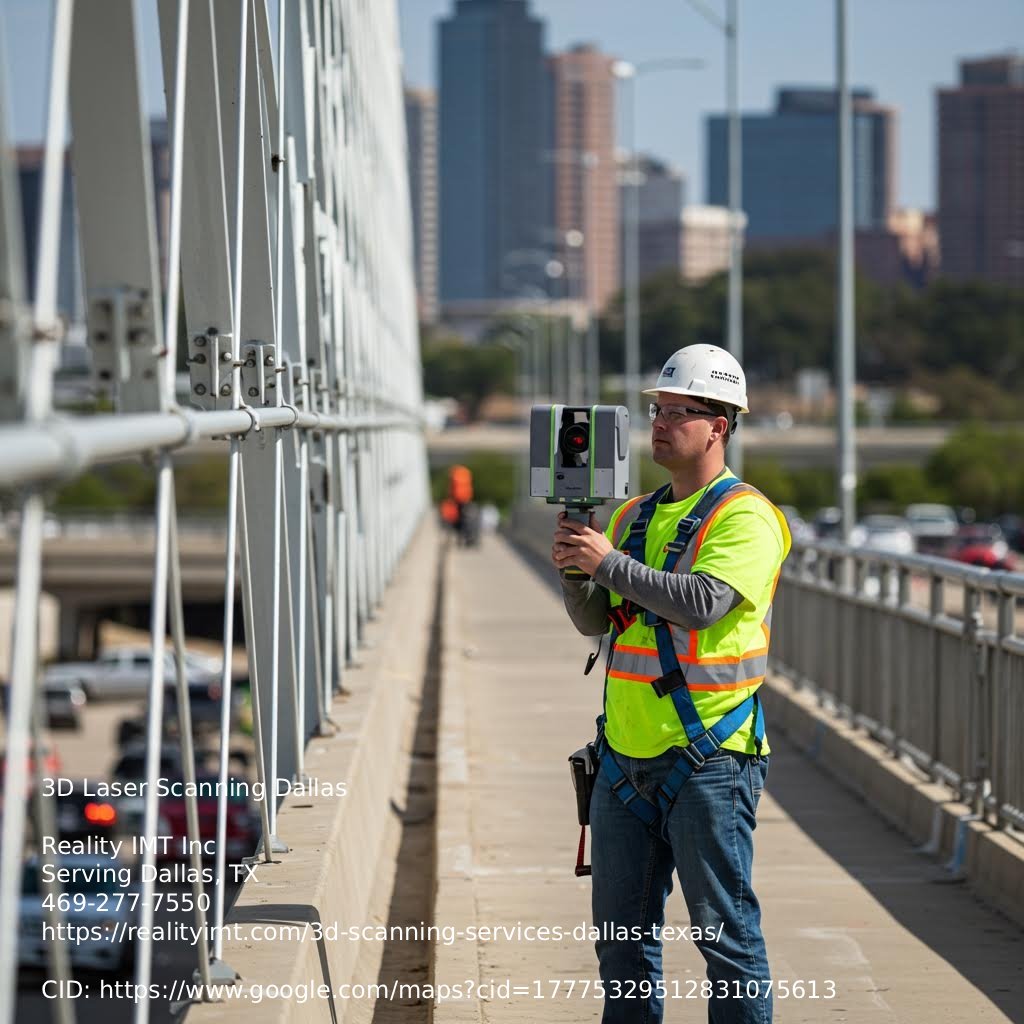
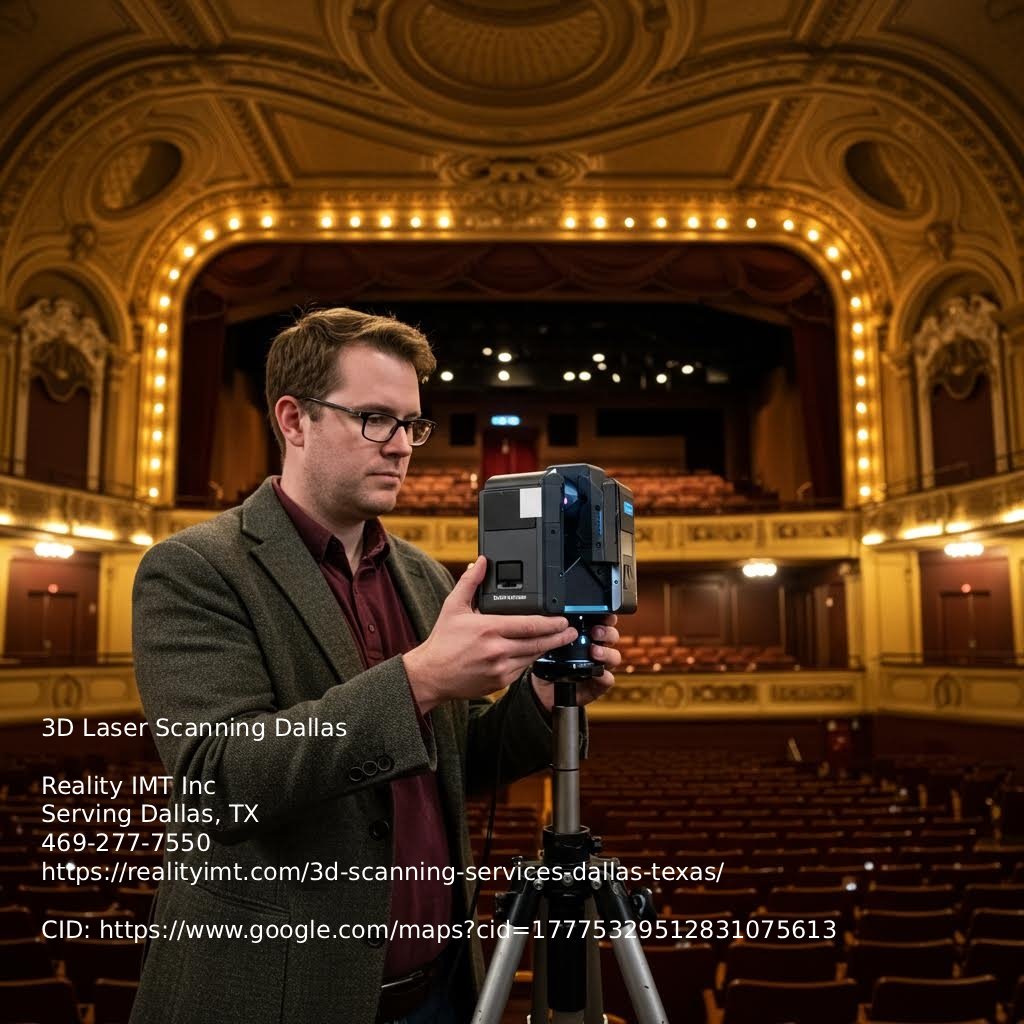
3D laser scanning is changing how schools and universities manage building upgrades. For any renovation or expansion, you need to know exactly what’s there. In Dallas, many educational buildings are decades old, with missing or outdated drawings. Scanning gives you a clear digital record of the current structure—walls, ceilings, mechanical systems, and more. That helps ensure new designs meet current building codes.
It also lowers safety risks. With accurate measurements, crews don’t have to guess what’s behind a wall or try to squeeze systems into tight spaces. That helps avoid cutting into live wires or misjudging structural elements. It’s a simple way to prevent costly changes and unsafe conditions.
Let’s break it down. Scanning helps verify construction work against the design. Facility managers and contractors can compare the scan to the plans and catch problems early. This matters in complex areas like labs or auditoriums, where systems are packed in tight. Fixing mistakes early helps avoid failed inspections or rework.
Skipping scans often leads to delays, budget problems, or missed code requirements during final checks. In public schools and universities, where safety and accessibility rules are strict, guessing won’t cut it. Scan data gives everyone—from architects to inspectors—a shared, accurate reference.
Using 3D laser scanning early in a school renovation or campus expansion removes a lot of guesswork. Engineers, architects, and space planners get accurate measurements of existing structures within days, sometimes faster depending on the building size. That lets them jump into layouts, clash checks, and feasibility reviews right away—no need to wait weeks for manual measurements or outdated drawings.
For smaller projects like a classroom remodel or MEP upgrades in one building, the payoff often shows up in the first few weeks. The scan data helps avoid rework and surprise changes during construction. On larger campuses or multi-building projects, scanning takes more effort upfront, but the benefits carry through design, permitting, and construction. Bigger scope, bigger payoff.
Here’s the catch: wait too long to scan or rely on old plans, and you risk designing around bad info. That leads to delays and budget problems when the real conditions don’t match the drawings. In Dallas, where many schools have been renovated several times, old documentation is often missing pieces. Laser scanning fills in those gaps fast and with more detail than manual surveys.
The takeaway: scan early. The sooner you have real data, the sooner teams can move forward with confidence. That’s when the value kicks in.
In Dallas, some schools and colleges used 3D laser scanning to lower renovation costs and avoid delays. One public high school in Dallas ISD needed to update its science labs. The old blueprints missed years of small changes—new walls, rerouted HVAC, and added data cabling. A full 3D scan gave architects an accurate model in under a week. That helped them prevent ductwork and electrical clashes during design. The project manager said it saved about $40,000 in change orders.
Another case involved a community college upgrading its central mechanical plant. The building had little documentation, and some areas were tough to reach. Traditional field measurements would have taken weeks and left gaps. A laser scanning team finished in two days with little disruption. The 3D model helped design a new chiller system that fit the space exactly. The install stayed on schedule, and the college avoided a six-week delay.
Here is why this matters. Accurate as-built data early in a project helps avoid rework. Schools with tight budgets and short summer construction windows need that kind of accuracy. Without it, teams design around guesses, leading to mistakes that cost time and money to fix.
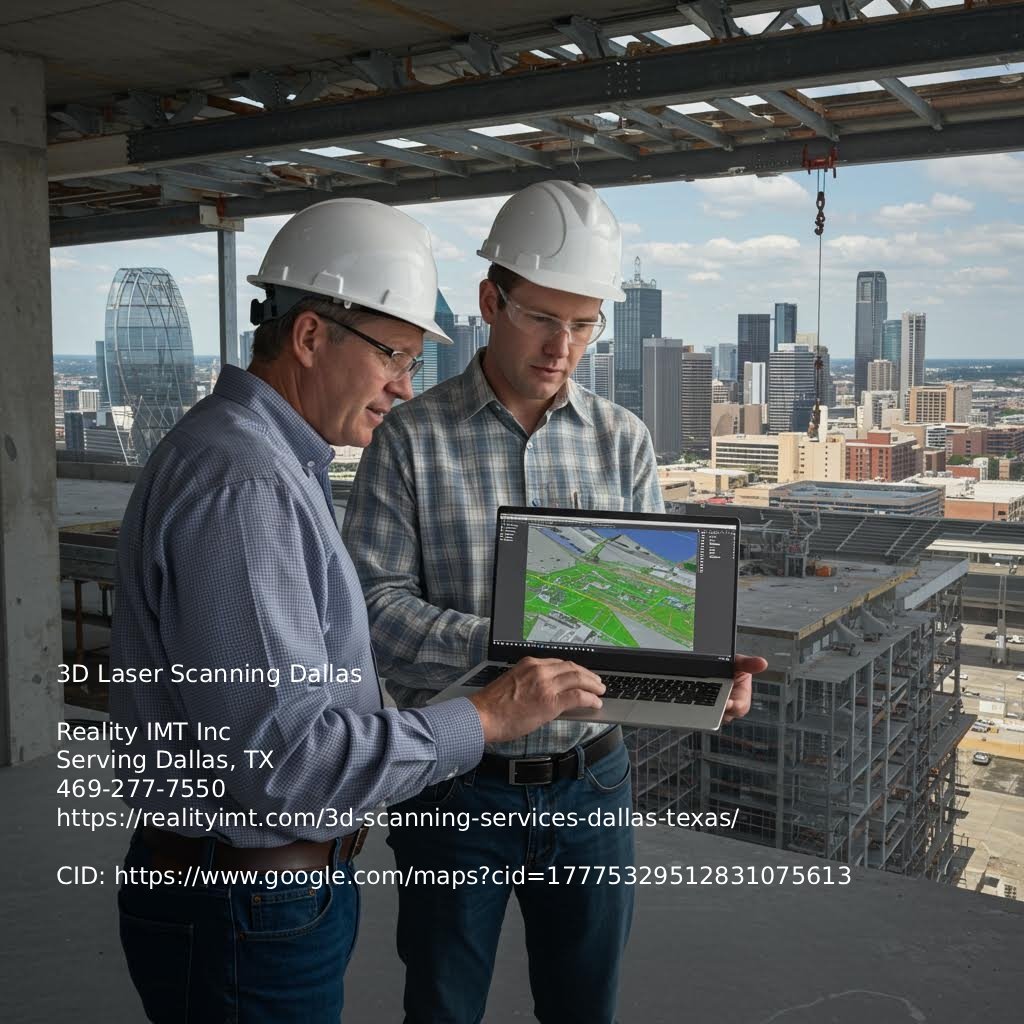
When calculating ROI for 3D laser scanning in school projects, many teams repeat the same mistakes. A common one is ignoring long-term value. They focus only on the upfront cost and the current project—like renovating a science wing or upgrading HVAC. They miss how the same scan can help with future renovations, maintenance, or asset records. That adds up.
Another mistake: thinking the scan itself is the return. It’s not. The value comes from what the data helps you do—fewer site visits, fewer change orders, smoother coordination. Say an architect in Dallas gets accurate as-built data from a scan. They’re not guessing wall thickness or ceiling height. That accuracy avoids design errors and delays. If you don’t track those savings, you miss the real return.
Some teams also overlook the cost of skipping the scan. Relying on old drawings or tape measures can backfire. A few inches off can wreck a retrofit, especially in older schools with bad or missing plans. Fixing those mistakes can cost more than the scan.
Want a clearer ROI? Start by logging rework hours avoided, fewer RFIs, and trips you didn’t need. Then compare with similar past projects that didn’t use scans. That gives you a more honest picture of what you’re saving.
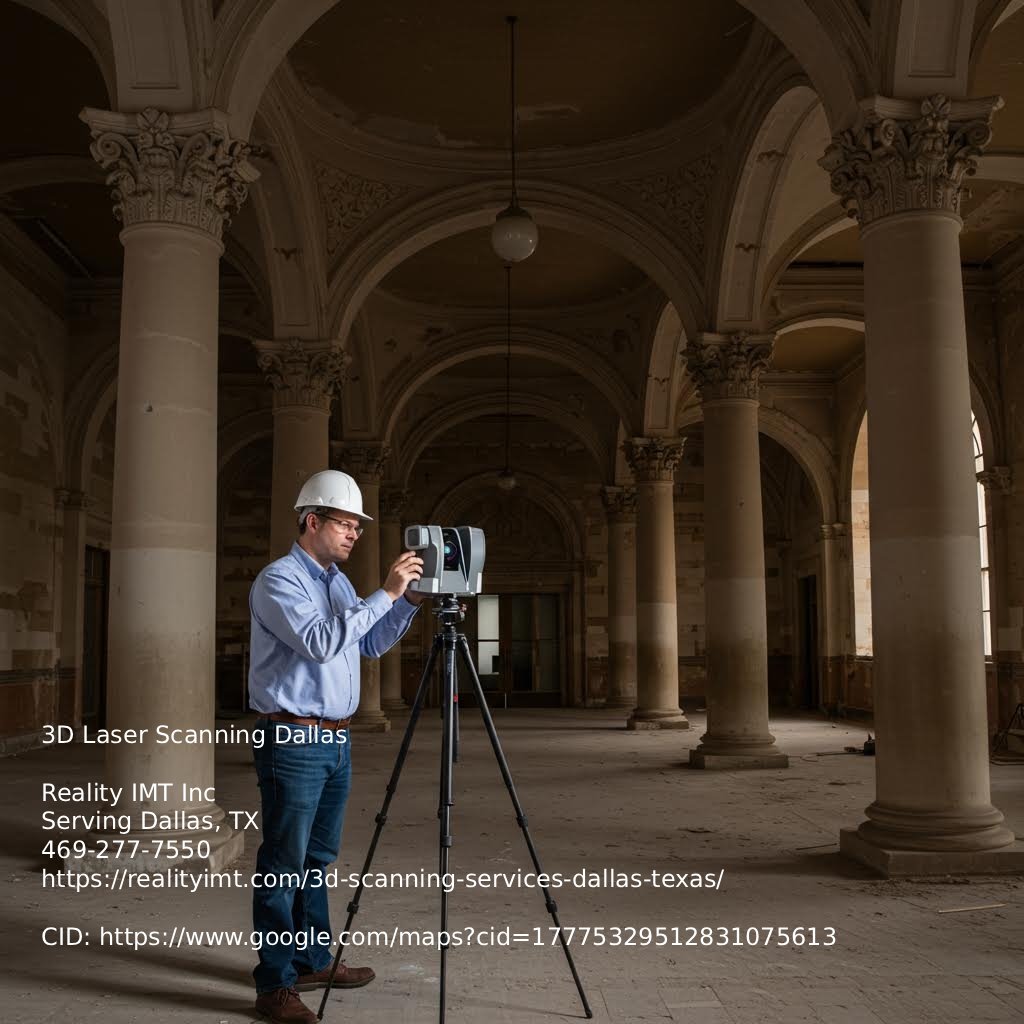
Measuring return on investment for 3D laser scanning in schools isn’t optional. It’s essential—especially when asking property owners or facility managers to fund it. These numbers link directly to cost savings, fewer project delays, and better decisions during renovations or expansions.
In Dallas, many school buildings are decades old, and original blueprints are outdated or missing. 3D scanning captures exact spatial data. That means fewer surprises when contractors open walls or reroute systems. Fewer surprises lead to fewer change orders, which helps keep costs in check. If you’re managing a tight school renovation budget, this accuracy matters.
When showing ROI, don’t stop at the scanning cost. Show what it prevents: rework from bad measurements, design changes, extra site visits, and delays. Here is why: even one day of delay can affect multiple vendors and push back opening dates. That costs money.
Facility managers also think long-term. A digital model makes it easier to plan maintenance, HVAC upgrades, or ADA work. So the value stretches beyond one project.
The common mistake? Treating scanning as optional. It’s not. It supports every decision that follows. Skip it or underfund it, and you’ll likely face delays and extra costs. Make that clear to stakeholders. Show not just the price—but what it prevents.
If you're planning a renovation, expansion, or repurposing project for a school or campus facility in the Dallas area, 3D laser scanning can help. It’s not just about having a 3D model—it’s about getting accurate building data that reduces change orders, delays, and rework. Architects and engineers use this precision to make better design decisions early, especially in older buildings with missing or unreliable plans.
School construction often has tight schedules—summer breaks, holidays, and limited access during school hours. A reliable point cloud and as-built model can help you stay on track. Laser scanning captures existing conditions in full detail, including structural elements, MEP systems, and small architectural features you might miss during manual site walks.
Wondering how this affects your budget? We can help you run the numbers. We offer a custom ROI review for Dallas-area school projects. We’ll look at your building size, scope, and timeline, and estimate cost savings from fewer field hours, fewer redesigns, and better coordination. It’s not a generic tool—we walk through your project and give you a clear estimate.
Ready to talk? Reach out to schedule a quick call. We’ll review your project and let you know if 3D scanning fits your plan.