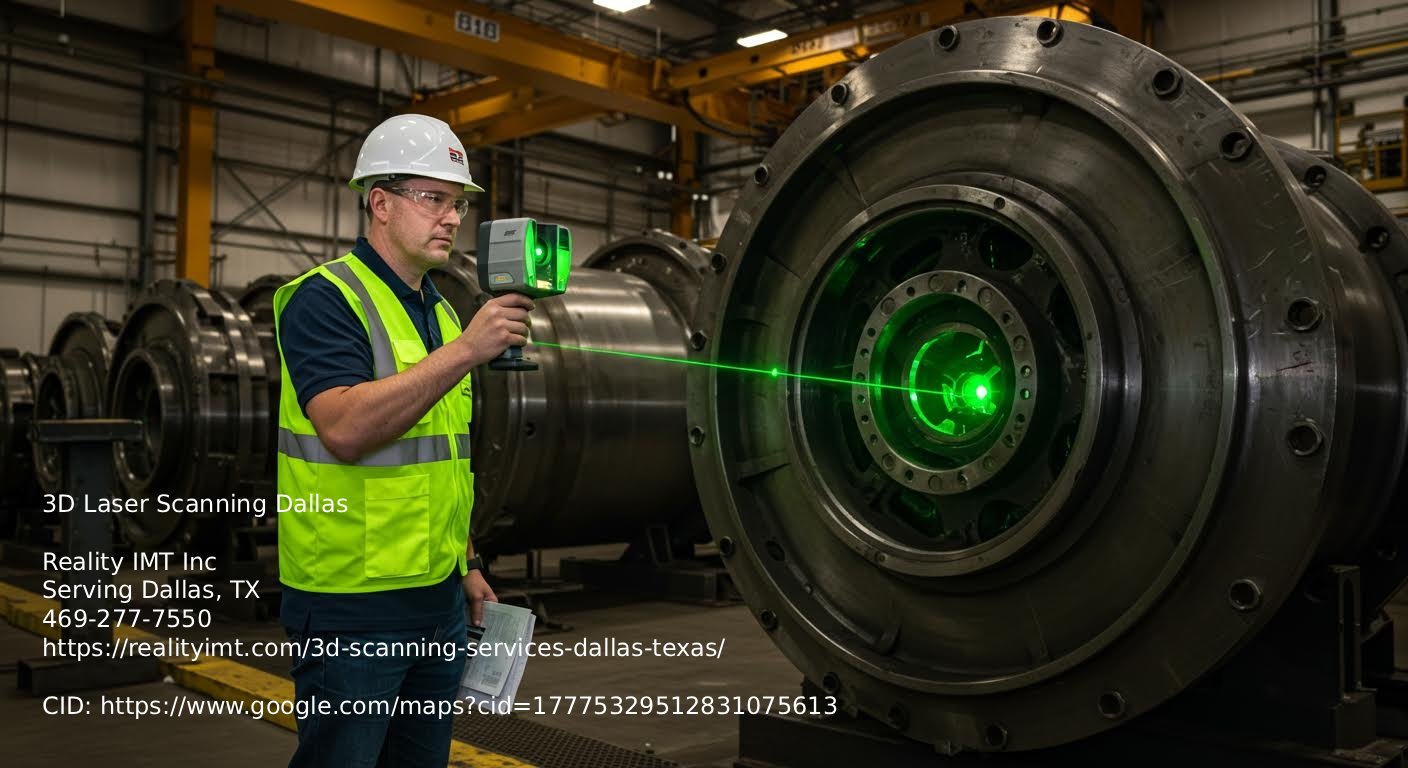
3D laser scanning is common in Dallas for capturing existing building conditions—commercial, industrial, or historic. The raw scan data includes millions of points. Here is why that matters: teams need to convert those points into usable AutoCAD files. Most projects require clean 2D drawings or 3D models. Without them, the data is just dots.
This conversion step needs precision. Even a few inches off can mess up floor plans, clash checks, or fabrication drawings. For architects and engineers in Dallas, especially on tight sites or with existing structures, accuracy is a must.
Some teams rely on automated software to create CAD geometry from scans. That might work for simple buildings. But with older or complex ones, the results often include crooked walls and off-square doors. If your project demands reliable as-built documentation Dallas 3D scanning for construction delivers high-precision models that help reduce errors and streamline project workflows.. It looks fine from a distance but falls apart during construction.
The better option is to use skilled technicians who know both the scan data and how to represent it in AutoCAD. They trace manually, apply layers, and check dimensions against control points. It takes more time. But it’s the only way to get drawings that work for design, permits, and building.
Creating AutoCAD files from 3D laser scans takes more than just hitting a button. It starts with capturing a point cloud—millions of data points from laser scanners that map a space or structure. In Dallas, teams often use this method to document buildings without accurate existing plans. The scans are dense and precise, but raw. Someone has to process them first.
After scanning, the data gets registered. That means aligning multiple scans into one model. This step matters. If the alignment is off, even slightly, the AutoCAD drawing will show walls or equipment in the wrong spots. That can cause design issues or construction mistakes. Next, the point cloud goes into software like ReCap or Cyclone for cleanup. Noise is removed, and extra data gets trimmed.
Then comes modeling. Depending on the project, the team might create a 2D floor plan, an elevation, or a 3D model. For AutoCAD, this usually means tracing over the point cloud to build accurate linework. Architects and engineers use that as the base for design, load checks, and system coordination. If the model lacks the right detail or uses the wrong layers, the drawing becomes hard to work with later.
Here’s a common slip: skipping QA. Before sending the file out, compare it to the original scan. Misalignments, missing parts, or scaling errors happen more than you’d think. And if multiple teams—contractors, consultants, owners—need the file, it must be clean and consistent. Otherwise, expect delays and rework.
When you stitch multiple laser scans together, registration aligns them into one point cloud. Rushing this step or using poor reference points can cause subtle misalignments that throw off dimensions in the final AutoCAD file. This matters most in tight spaces, where even small errors affect design tolerances. Use high-contrast targets or survey control points during scanning to anchor the registration. Tools like Leica Cyclone or Faro Scene include checks to catch drift or misalignment. Skipping these steps often leads to CAD drawings that don’t match the site.
Control points act as fixed references that tie scans to a shared coordinate system. Without them, the scans may look fine but carry hidden errors when converted into CAD. This becomes a problem when adding new designs to existing structures. Set up survey-grade control before scanning. In Dallas projects, especially commercial renovations, missing or misused control points often cause inaccurate AutoCAD files. Using them correctly cuts down on corrections and rework.
Modern registration software includes tools to check alignment accuracy, like RMS error values and visual heat maps. These checks matter. They help confirm your point cloud is accurate before you create CAD files. Skipping them can lead to geometry that's slightly off, which causes bigger problems later. Review these metrics after each registration. If errors go beyond acceptable limits, fix the scans before moving on.
Each scan should overlap the next by at least 30% to allow accurate stitching. Without enough overlap, registration links weaken and distort the final model. In AutoCAD, this shows up as misaligned walls, uneven floors, or crooked piping. Plan scan positions carefully, especially in tight or cluttered spaces. Incomplete coverage forces teams to guess during drafting, which weakens the final CAD file.
Even with good software, human review still matters. A technician should check the point cloud alignment from different angles and compare it to known site measurements. On large Dallas projects, teams often assign QA specialists for this task. Without this step, small errors can slip through and affect AutoCAD linework. Taking time to review now prevents bigger fixes later.
One common issue when converting 3D laser scan data into AutoCAD files is sloppy layer assignment. Dumping everything into one or two layers might save time, but it creates problems fast. Facility managers and designers need clear, organized drawings to make decisions about operations, renovations, and compliance. If everything sits on Layer 0 or gets grouped without logic, they’ll waste hours trying to isolate walls, piping, equipment, or electrical runs.
Here is why planning helps: create a layer naming system before starting. Stick with it. Use discipline-specific layers like A-WALL, M-DUCT, or S-COLS. Assign properties that match real-world systems. It takes more time upfront, but it saves time when contractors or engineers use the file later.
In Dallas, where 3D scanning supports retrofits and reuse projects, clean, layered CAD files matter even more. Scans from older buildings often include odd angles, outdated systems, and undocumented changes. Without a clear layer structure, coordination with MEP and structural teams turns chaotic. If mechanical and architectural elements aren’t separated, design teams can’t plan confidently around existing conditions.
Another issue is skipping consistent object properties like color, lineweight, or linetype. These aren’t just visual—they help identify systems, control visibility, and support automated takeoffs. When properties are missing or misused, the file becomes harder to navigate, especially for teams new to the scan.
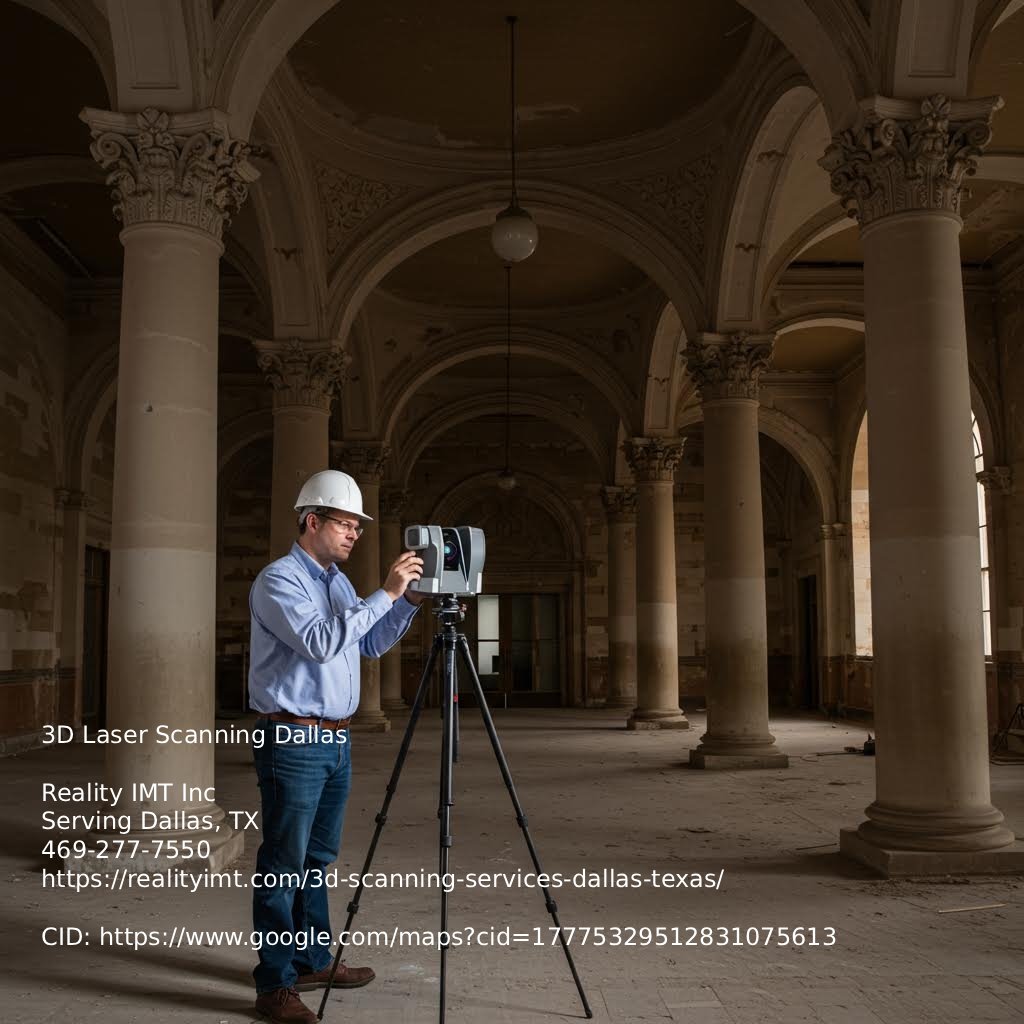

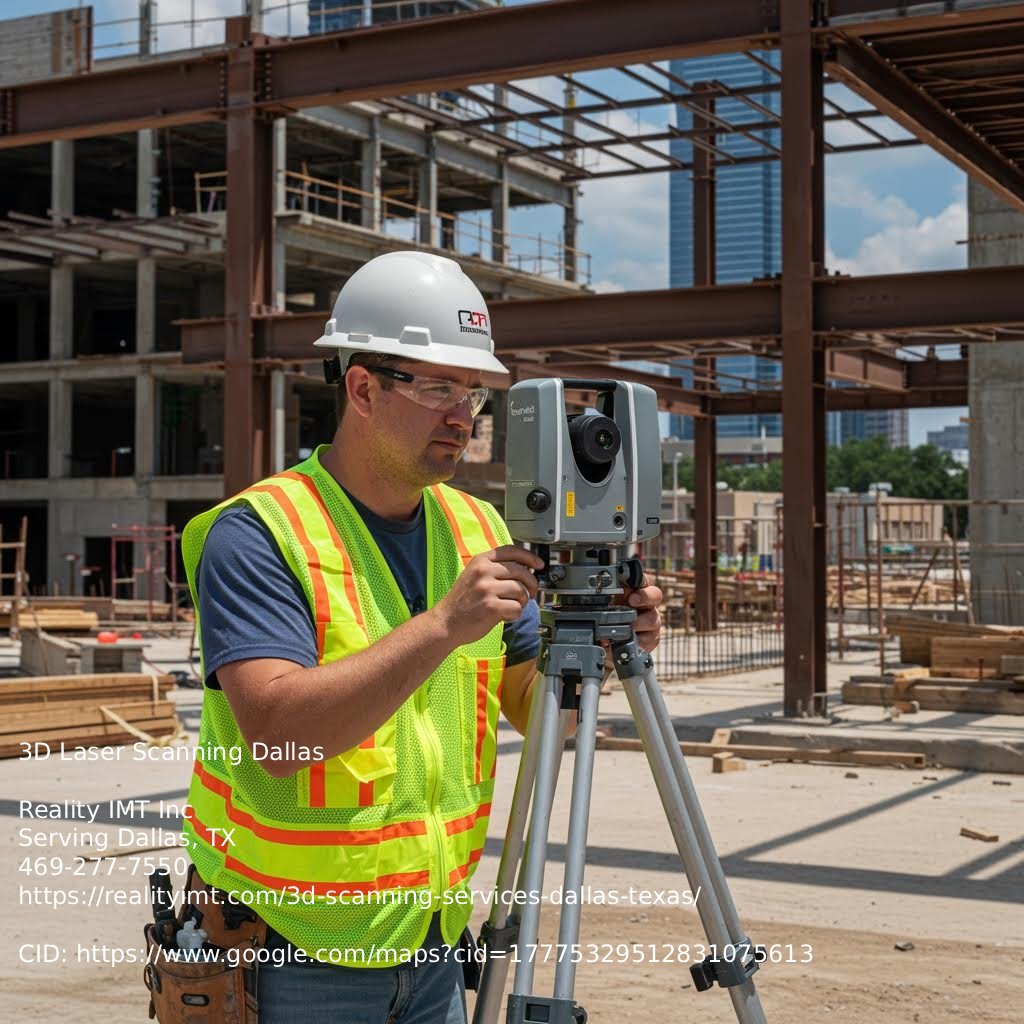
When converting 3D laser scans into AutoCAD drawings, automation tools help—but only to a point. A common mistake is leaning too much on automatic feature extraction or point cloud-to-CAD software without enough manual review. The result? Drawings that seem complete but contain wrong geometry, missing parts, or misaligned features. For commercial developers or space planners who need accurate layouts, this can throw off square footage, equipment placement, or code checks.
In Dallas, where 3D scanning often documents office buildings, warehouses, or retail spaces, the final AutoCAD file must match real-world conditions down to the inch. Automation can miss small but important details—slight wall angles, unusual ceiling drops, or hidden utilities—that matter during renovation or planning. When that happens, teams face rework. Contractors may arrive with bad plans, or designers may rely on wrong measurements.
Software speeds up tasks like layering, object recognition, or line generation, especially with large point clouds. But someone still needs to check and adjust the output. For example, a tool might trace a wall line that’s really a row of cabinets or confuse mechanical parts with structural ones. These mistakes pile up fast if no one catches them early.
Here is why balance matters. Automation should support—not replace—technical judgment. Teams should always compare auto-generated geometry with the point cloud, check dimensions, and confirm alignment with site conditions. Skipping that step can lead to costly fixes during construction or design changes.
Turning 3D laser scans into AutoCAD files takes more than just software. You need to know what your project actually requires. A scan might capture millions of points, but if the wrong features get modeled or the file isn’t organized for your team, it slows everything down. We’ve seen mislabeled layers, dense geometry, and missing details like wall thickness or alignment.
In Dallas and nearby areas, we work with architects, engineers, and project managers who need CAD files that match real-world conditions. Sometimes that means clean 2D floor plans. Other times it’s full 3D as-builts for MEP work. The trick is knowing what to pull from the scan and how to structure the file so it fits your tools—Revit, Civil 3D, or anything else.
Starting a renovation, expansion, or asset documentation project? Need accurate CAD drawings from scan data? We can help. We adjust our scanning and conversion process based on how you’ll use the files. That way, you avoid cleanup and rework. Want to talk through your project or see examples? Let’s connect. We’re local and experienced with everything from high-rises to mechanical rooms to historic facades. Getting it right early saves time and money.